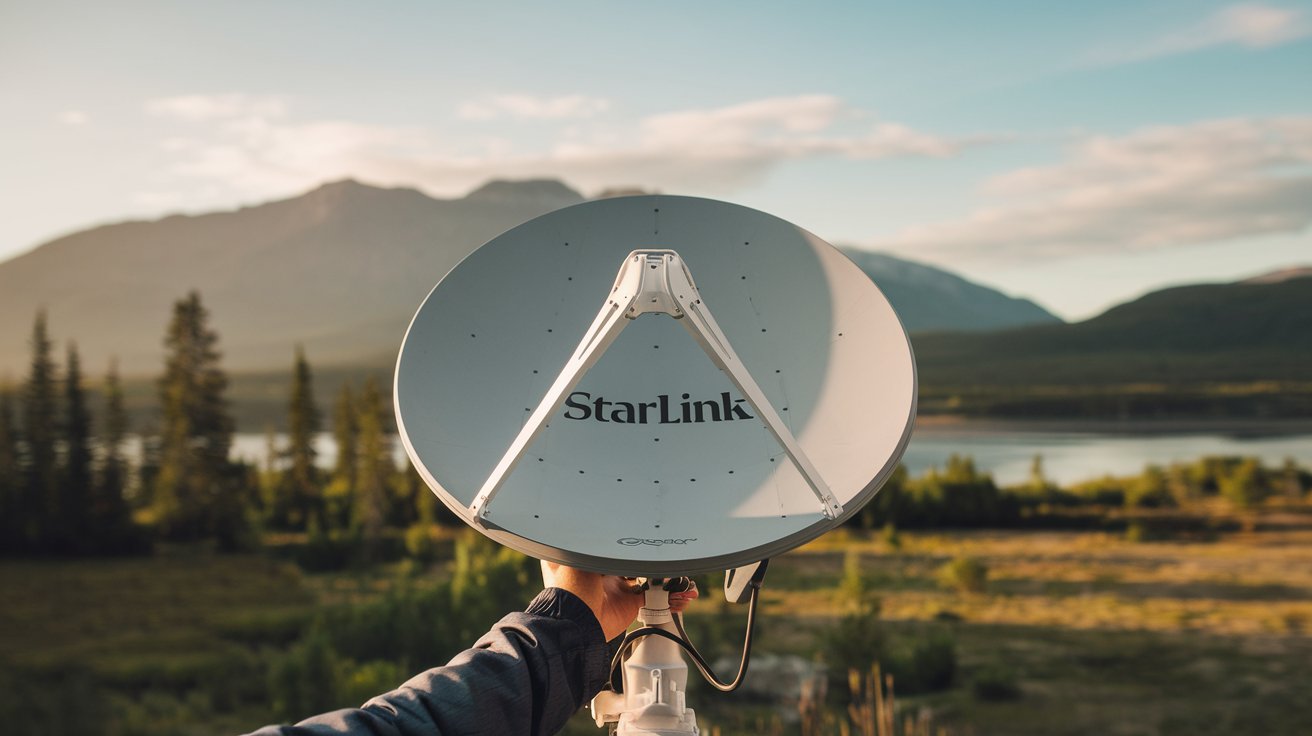
Does Starlink Work Anywhere? 2025 Complete Coverage Guide
Starlink satellite internet has revolutionized connectivity, but many wonder if it truly works anywhere. In 2025, Starlink works in most locations across the United States with its expanding constellation of over 5,000 satellites. However, coverage depends on your specific location, service plan, and local regulations. This comprehensive guide explains where Starlink operates, its limitations, and how to maximize performance anywhere you go.
Starlink Coverage Areas in the United States
Starlink’s coverage area spans all 50 states with varying service quality depending on your location. The service operates most effectively between 45°N and 53°N latitude, covering the majority of the continental United States. Alaska receives excellent coverage due to its northern latitude, while southern states like Florida and Texas experience slightly higher latency due to satellite positioning.
As of 2025, Starlink serves over 2.3 million customers across North America with 99.9% uptime in most regions. Rural areas that previously had no broadband access now enjoy high-speed internet connectivity through Starlink’s satellite network. The Federal Communications Commission has approved Starlink for operation throughout the United States, making it a viable option for remote locations.
Urban vs Rural Performance
Urban areas may experience network congestion during peak hours, resulting in slower speeds compared to rural locations. Cities with high user density can see speeds drop from 150 Mbps to 50-80 Mbps during evening hours. Rural customers typically maintain consistent speeds of 100-200 Mbps throughout the day due to lower network utilization.
Regional Service Variations
Northern states like Montana, Wyoming, and North Dakota experience the best Starlink performance with average speeds exceeding 200 Mbps. Southern regions including Arizona, New Mexico, and southern California may see slightly reduced speeds due to satellite angle limitations. Weather conditions also affect performance, with heavy snow or rain potentially causing temporary service interruptions.
Starlink Portability and Mobile Use
Starlink’s portability feature allows users to take their internet connection anywhere within their service region for an additional monthly fee. The Roam service plans enable temporary use at different addresses, camping sites, and vacation homes. However, using Starlink outside your registered service address requires upgrading to a mobile plan.
The Starlink Mini dish weighs just 2.5 pounds and measures 12 inches square, making it ideal for RV travel, camping, and remote work situations. Setup takes approximately 10-15 minutes at any new location with a clear view of the sky. Mobile users can expect similar performance to fixed installations when properly positioned.
RV and Camping Applications
RV enthusiasts can maintain high-speed internet connectivity while traveling across the United States using Starlink’s mobile plans. The system works effectively at campgrounds, national parks, and remote boondocking locations where traditional internet services are unavailable. Many RVers report successful streaming, video calls, and remote work capabilities while on the road.
Maritime and Aviation Use
Starlink Maritime provides internet access for boats and ships operating in coastal waters and international waters. The service covers most ocean areas with download speeds of 50-200 Mbps, though costs significantly exceed residential plans. Aviation applications are expanding, with several airlines testing Starlink for passenger WiFi services.
Technical Limitations and Requirements
Starlink requires an unobstructed view of the sky to function properly, making it unsuitable for indoor use without external antenna installation. Trees, buildings, mountains, and other obstacles can block satellite signals, causing service interruptions. The system performs best with at least 100 degrees of clear sky visibility.
Weather conditions significantly impact performance, with heavy precipitation reducing signal quality. Snow accumulation on the dish can completely block service until cleared, though the dish includes heating elements to melt light snow. Strong winds may cause temporary signal fluctuations as the dish adjusts its position.
Starlink Signal Performance Through Obstacles
Unlike traditional internet services, Starlink signals cannot penetrate solid objects like walls, roofs, or dense foliage. Users must position the dish outdoors with a direct line of sight to satellites orbiting overhead. Indoor installation requires running cables from an outdoor dish through walls or windows to indoor equipment.
Glass and thin materials may allow minimal signal transmission, but performance will be severely degraded. Metal roofing, concrete structures, and thick walls completely block satellite signals. Professional installation often involves mounting dishes on rooftops or tall poles to clear obstacles.
Optimal Placement Strategies
The Starlink app provides obstruction detection tools to help users find the best installation location. Point the dish toward the northern sky in most US locations for optimal performance. Avoid placing the dish near large trees that may grow and create future obstructions.
Indoor WiFi Coverage
Once connected, Starlink’s WiFi router provides excellent indoor coverage similar to traditional broadband services. The standard router covers approximately 2,000 square feet with strong signal strength. Users can add mesh extenders or third-party routers to expand coverage throughout larger homes or offices.
Starlink Speed and Performance for Streaming
Starlink easily supports Netflix streaming in 4K quality with its typical speeds of 100-200 Mbps. Multiple users can simultaneously stream HD content, participate in video calls, and browse the internet without significant performance issues. Gaming performance has improved significantly with latency typically ranging from 20-40ms.
Peak usage hours may see reduced speeds in congested areas, but performance remains sufficient for most applications. Starlink prioritizes different types of traffic, ensuring video calls and real-time applications receive adequate bandwidth during network congestion periods.
Cost and Plan Options
Starlink residential service costs $120 per month with a one-time equipment fee of $599 as of 2025. The Starlink Mini costs $299 for equipment with service plans starting at $30 per month for limited data. Mobile and maritime plans range from $150-$5,000 monthly depending on data allowances and service areas.
Additional fees apply for portability and roaming services when using Starlink outside your registered service address. The standard portability add-on costs $25 per month, while mobile plans include roaming capabilities. Compare total costs with local broadband options before committing to Starlink service.
Equipment and Installation Costs
Professional installation services cost $100-$300 depending on complexity and local service providers. DIY installation saves money but requires basic technical skills and proper tools. The equipment includes everything needed for setup except cables longer than the included 75-foot length.
Monthly Service Comparisons
Rural customers may find Starlink competitively priced compared to limited alternatives like satellite internet from HughesNet or Viasat. Urban users should compare Starlink costs with cable, fiber, and 5G home internet options. Consider data caps, contract requirements, and installation fees when making cost comparisons.
Future Expansion and Improvements
SpaceX continues launching additional satellites to improve coverage and reduce network congestion across the United States. The company plans to deploy over 42,000 satellites in multiple orbital shells to provide global coverage with reduced latency. Inter-satellite laser links now connect satellites directly, reducing reliance on ground stations.
Upcoming improvements include enhanced mobile connectivity and integration with cellular networks for seamless coverage. SpaceX is developing next-generation satellites with increased capacity and improved efficiency. These advancements will expand service availability and enhance performance in currently underserved areas.
Related video about does starlink work anywhere
This video complements the article information with a practical visual demonstration.
What you should know
Can I use my Starlink internet anywhere in the United States?
You can use Starlink anywhere within the United States coverage area, but you need a portability plan to use it outside your registered service address. The standard residential plan restricts use to your home address, while roaming plans cost an additional $25-150 per month depending on usage needs.
Is Starlink fast enough for Netflix and streaming services?
Yes, Starlink easily supports Netflix streaming in 4K quality with typical speeds of 100-200 Mbps. Multiple users can stream simultaneously without issues. However, speeds may decrease during peak hours in congested areas, but performance remains adequate for HD streaming and video calls.
What is the Starlink 2 month rule and how does it work?
The 2-month rule refers to Starlink’s policy allowing temporary use at different locations for up to 2 months before requiring service plan changes. After this period, you must either return to your home address or upgrade to a mobile plan to continue service at the temporary location.
Can Starlink signal go through walls and buildings?
No, Starlink signals cannot penetrate walls, roofs, or other solid obstacles. The dish requires an unobstructed view of the sky to communicate with satellites. Indoor use requires mounting the dish outside and running cables through walls to connect indoor equipment.
How much does Starlink cost per month in 2025?
Starlink residential service costs $120 per month with a $599 equipment fee. Starlink Mini starts at $30 monthly with $299 equipment cost. Mobile and maritime plans range from $150-$5,000 monthly depending on data needs and coverage areas.
Does Starlink work during bad weather conditions?
Starlink performance can be affected by heavy rain, snow, or storms, but it typically maintains connectivity during light to moderate weather conditions. The dish includes heating elements to melt snow, and service usually resumes quickly after severe weather passes.
| Coverage Aspect | Key Details | Benefit |
|---|---|---|
| US Coverage Area | All 50 states with 99.9% uptime | Reliable internet access anywhere |
| Portability Options | Mobile plans for RV and travel use | Internet connectivity while traveling |
| Speed Performance | 100-200 Mbps typical speeds | Supports 4K streaming and video calls |
| Installation Requirements | Clear sky view, outdoor placement | Optimal satellite signal reception |
| Monthly Cost | $120 residential, $30 Mini plans | Competitive pricing for rural areas |