Living Off Grid in Canada 2025: Complete Guide & Costs
Living off grid in Canada offers Americans a unique opportunity to embrace self-sufficient living in one of the world’s most pristine wilderness areas. With living off grid in Canada becoming increasingly popular among US citizens seeking sustainable lifestyles, this comprehensive guide covers everything from legal requirements and costs to the best locations for establishing your off-grid homestead.
What Does Living Off-Grid in Canada Actually Mean?
Living off grid in Canada means establishing a completely self-sufficient lifestyle independent from municipal utilities and services. This involves generating your own electricity, managing water sources, handling waste disposal, and maintaining comfortable temperatures without relying on centralized infrastructure. Unlike urban living, off grid living requires you to become your own utility company while adhering to Canadian provincial regulations.
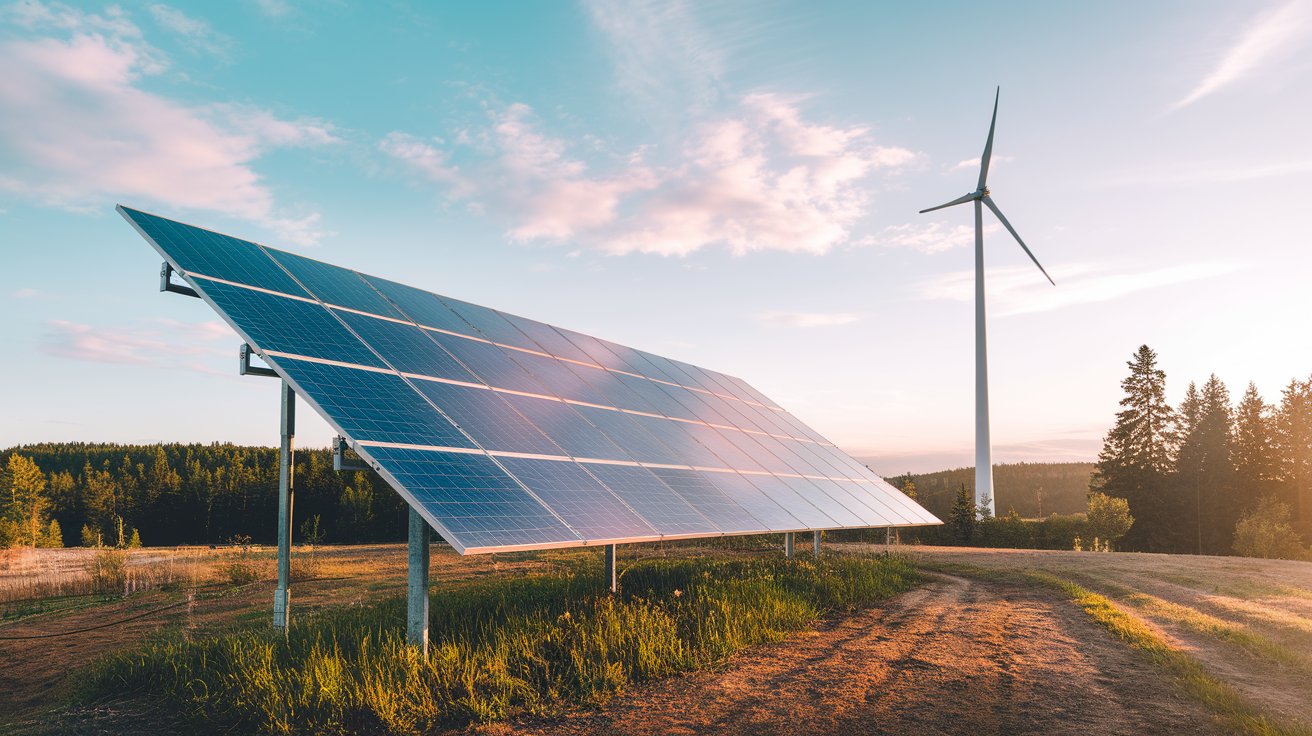
The concept has evolved significantly in 2024-2025, with modern off-grid systems incorporating solar panels, wind turbines, and advanced battery storage solutions. Many Americans choose Canada for off grid living due to its vast wilderness areas, relatively affordable land prices, and welcoming policies toward foreign property ownership in most provinces.
Energy Independence and Power Generation
Achieving energy independence in Canada requires robust power generation systems capable of handling harsh winters and variable sunlight conditions. Off grid cabin owners typically invest in hybrid systems combining solar panels, wind turbines, and backup generators. The average Canadian off-grid home requires 15-25 kWh daily, with winter heating demands potentially doubling this requirement depending on your location and insulation quality.
Water Management and Self-Sufficiency
Water management represents a critical aspect of living off grid in Canada, particularly during winter months when surface water sources may freeze. Successful off-grid properties typically feature drilled wells, rainwater collection systems, and proper filtration equipment. Canadian regulations require potable water testing, and many provinces mandate specific well construction standards that must be followed regardless of your citizenship status.
Waste Management and Environmental Compliance
Proper waste management in off grid living scenarios requires septic systems, greywater management, and composting toilets depending on your location and local regulations. Canadian environmental standards are strict, and improper waste disposal can result in significant fines. Most provinces require septic system inspections and permits, with installation costs ranging from $15,000 to $30,000 CAD for compliant systems.
Can You Legally Live Off-Grid in Canada as an American?
Americans can legally live off grid in Canada through various visa programs and property ownership options. While foreign nationals can purchase property in most Canadian provinces, actually residing there requires proper immigration status such as visitor visas, work permits, or permanent residency. The 2024-2025 immigration landscape offers several pathways for Americans seeking off grid living opportunities, including the Start-up Visa Program and Provincial Nominee Programs.
Each province maintains different regulations regarding building off grid structures and permanent residence requirements. British Columbia, Alberta, and Ontario have the most established frameworks for off-grid living, while some Maritime provinces offer more affordable land options but stricter building codes.
Provincial Regulations and Building Codes
Canadian provinces each maintain unique building codes affecting off grid cabin build projects. Ontario requires building permits for structures over 10 square meters, while British Columbia has specific regulations for alternative energy systems. Understanding provincial differences is crucial since living off the grid in Newfoundland involves different requirements than establishing homesteads in Alberta or Saskatchewan.
Immigration Requirements for US Citizens
US citizens planning long-term off grid living in Canada must navigate immigration requirements carefully. Visitor status allows six-month stays but prohibits permanent residence establishment. The Express Entry system, Provincial Nominee Programs, and investor immigration options provide pathways to legal permanent residence, enabling true off-grid lifestyle establishment without visa limitations.
How Much Does Living Off Grid in Canada Cost?
The living off grid in Canada cost varies significantly based on location, system complexity, and lifestyle expectations. Initial setup costs typically range from $150,000 to $400,000 CAD, including land purchase, basic infrastructure, and essential systems. Annual operating expenses usually fall between $15,000 to $35,000 CAD, substantially lower than urban living costs but requiring significant upfront investment.
Land prices represent the largest variable in off grid living costs. Remote parcels in Saskatchewan or Manitoba might cost $2,000-5,000 CAD per acre, while similar properties in British Columbia or Ontario can exceed $15,000 CAD per acre. These price differences reflect accessibility, climate conditions, and proximity to urban centers.
Initial Setup and Infrastructure Costs
Establishing off grid infrastructure requires substantial upfront investment in power generation, water systems, and shelter construction. Solar panel installations cost $15,000-40,000 CAD depending on capacity, while well drilling averages $8,000-15,000 CAD. A basic off grid cabin build ranges from $80,000-200,000 CAD depending on size, materials, and local labor costs.
Ongoing Operating and Maintenance Expenses
Annual operating costs for living off grid in Canada include equipment maintenance, fuel for backup generators, food storage and preservation, and periodic system upgrades. Most off-grid residents budget $8,000-15,000 CAD annually for these expenses, plus emergency fund allocations for major repairs or equipment replacement needs.
Best Locations for Off-Grid Living in Canada
Selecting the right location for off grid living in Canada requires balancing climate conditions, land availability, legal requirements, and accessibility needs. British Columbia’s interior regions offer mild climates and established off-grid communities, while the Maritime provinces provide affordable coastal properties with unique challenges. Each region presents distinct advantages for Americans seeking off grid homestead opportunities.
Climate considerations significantly impact off grid living success, with some regions experiencing -40°C winters requiring substantial heating capacity. Southern Ontario and British Columbia’s lower mainland offer more moderate climates but higher land costs, while northern territories provide vast wilderness access but extreme weather challenges.
British Columbia Interior and Coastal Regions
British Columbia offers diverse off grid living opportunities from coastal islands to interior valleys. The Cariboo region provides affordable land with reasonable access to services, while off-grid island living near Vancouver Island offers unique marine-based lifestyles. BC’s Building Code allows alternative energy systems and has established permitting processes for off-grid construction.
Maritime Provinces and Atlantic Canada
Living off the grid in Newfoundland and other Maritime provinces offers affordable land prices and stunning coastal environments. Nova Scotia and New Brunswick provide four-season accessibility with milder winters than central Canada, though higher humidity and precipitation require robust building envelope design. These provinces often welcome American investment in rural properties.
Prairie Provinces and Northern Territories
Saskatchewan, Manitoba, and Alberta offer vast wilderness areas with affordable land prices ideal for large-scale off grid homestead development. The prairie provinces provide excellent solar exposure and wind resources, though extreme winter conditions demand robust heating systems. Northern territories offer true wilderness experiences but require significant logistical planning and higher transportation costs.
Step-by-Step Guide to Starting Your Off-Grid Journey
Successfully transitioning to living off grid in Canada requires systematic planning and preparation spanning 12-24 months. The process involves education, location selection, legal compliance, financial planning, and skill development phases. Many Americans underestimate the complexity of establishing off grid living systems, making thorough preparation essential for long-term success.
Beginning your off grid journey starts with honest assessment of your skills, financial resources, and lifestyle expectations. Research Canadian regulations, climate conditions, and available properties while developing essential skills like basic electrical work, plumbing, and emergency preparedness. This foundational knowledge prevents costly mistakes and ensures regulatory compliance.
Education and Skill Development Phase
Educating yourself about off grid living systems and Canadian requirements forms the foundation of successful homestead establishment. Study renewable energy systems, water management, waste disposal, and food preservation techniques. Many successful off-grid residents recommend completing electrical and plumbing courses before beginning off grid cabin build projects to reduce contractor dependencies and costs.
Location Research and Property Selection
Choosing the right property for living off grid in Canada requires extensive research into zoning laws, water rights, soil conditions, and accessibility factors. Consider proximity to medical facilities, seasonal road access, and internet connectivity needs. Many Americans successfully identify suitable properties through Canadian real estate agents specializing in rural and recreational properties.
Is There Still Free Land Available for Homesteading?
While traditional homesteading programs ended decades ago, some Canadian municipalities still offer free land opportunities to attract residents to rural communities. These programs typically require building commitments and minimum residency periods but can provide affordable entry points for off grid living establishment. However, most require Canadian citizenship or permanent residency status.
Modern homestead opportunities focus more on affordable land purchases rather than free grants. Remote regions of Saskatchewan, Manitoba, and northern Ontario occasionally offer very low-priced parcels, while some municipalities provide building incentives and tax breaks for rural development. Research current programs through provincial economic development agencies.
Related video about living off grid in canada
This video complements the article information with a practical visual demonstration.
Key Questions and Answers
Can you legally live off-grid in Canada as a US citizen?
Yes, Americans can legally live off-grid in Canada with proper immigration status. While foreign nationals can purchase property in most provinces, actually residing there requires visitor visas, work permits, or permanent residency. Each province has different building codes and regulations for off-grid structures that must be followed regardless of citizenship status.
How much does it cost to go off-grid in Canada?
Living off-grid in Canada typically costs $150,000-400,000 CAD for initial setup including land, infrastructure, and essential systems. Annual operating expenses range from $15,000-35,000 CAD. Land prices vary dramatically from $2,000-5,000 CAD per acre in remote areas to over $15,000 CAD per acre in desirable locations like British Columbia.
Is Canada a good place to live off-grid?
Canada is excellent for off-grid living due to vast wilderness areas, reasonable land prices, abundant natural resources, and established legal frameworks in most provinces. The country offers diverse climates from temperate coastal regions to challenging northern territories, allowing off-grid enthusiasts to choose environments matching their preferences and capabilities.
What are the biggest challenges of off-grid living in Canada?
Major challenges include extreme winter temperatures requiring robust heating systems, complex provincial regulations and building codes, high initial setup costs, and limited access to emergency services in remote areas. Additionally, maintaining reliable power generation during short winter days and managing water systems in freezing conditions require significant preparation and backup systems.
Which Canadian provinces are best for off-grid living?
British Columbia offers diverse climates and established off-grid communities but higher land costs. Maritime provinces provide affordable coastal properties with milder winters. Prairie provinces like Saskatchewan and Manitoba offer vast wilderness and affordable land but extreme winter conditions. Each province has unique advantages depending on your priorities and budget.
Do I need special permits for off-grid construction in Canada?
Yes, most Canadian provinces require building permits for structures over 10 square meters and specific permits for septic systems, well drilling, and electrical installations. Each province maintains different regulations, with some having streamlined processes for off-grid construction while others require full compliance with urban building codes even in remote areas.
| Key Aspect | Important Details | Benefit |
|---|---|---|
| Initial Investment | $150,000-400,000 CAD setup cost | Long-term cost savings and energy independence |
| Legal Requirements | Provincial permits and immigration status needed | Legitimate property ownership and residence |
| Best Locations | BC interior, Maritime provinces, Prairie regions | Diverse climate options and affordable land |
| Annual Costs | $15,000-35,000 CAD operating expenses | Lower than urban living with greater self-sufficiency |
| Skill Requirements | Electrical, plumbing, and maintenance knowledge | Reduced contractor dependency and costs |